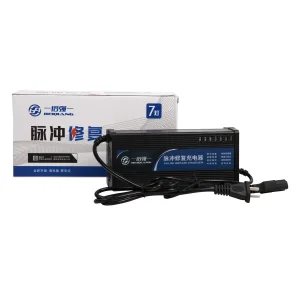
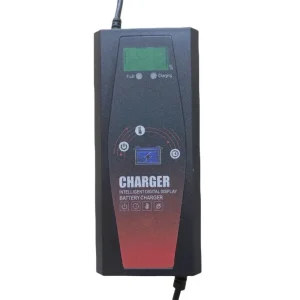
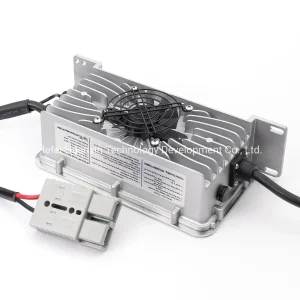
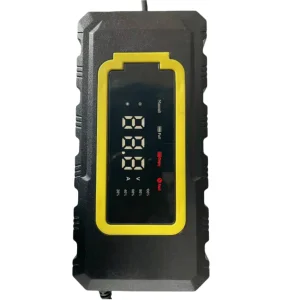
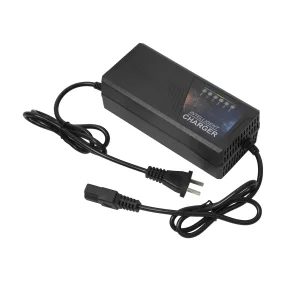
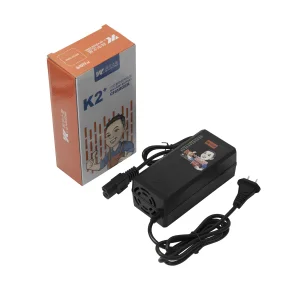
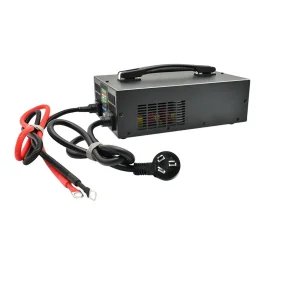
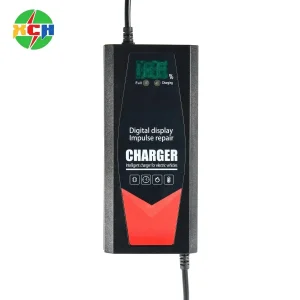
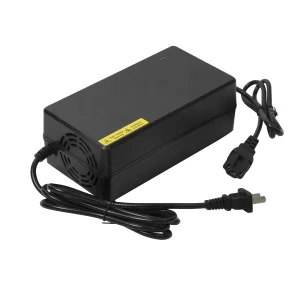
Engineered with wide-input voltage tolerance (90V-260V) and specialized heat dissipation systems, these chargers are built to withstand local grid fluctuations and sub-Saharan environmental demands.
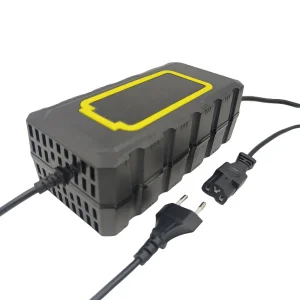
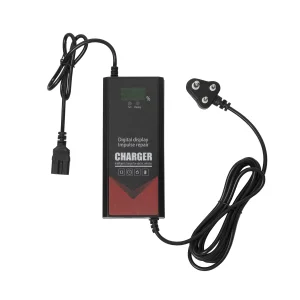
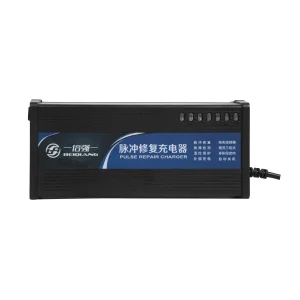
The Central African Republic (CAR), particularly urban centers such as Bangui and Bimbo, is experiencing a quiet revolution in micro-mobility. As fuel prices continue to fluctuate and urban traffic densities rise, E-bikes and electric motorcycles have transitioned from niche eco-alternatives to critical economic lifelines. These vehicles serve local transit, last-mile logistics, and commercial delivery fleets.
However, the rollout of sustainable electric vehicle (EV) fleets in the region faces persistent challenges. Environmental dust, high ambient operating temperatures reaching up to 40°C, and severe electrical grid volatility restrict the life cycle of charging hardware. Off-grid solar integration and hybrid mini-grid configurations are essential for supporting local battery infrastructures. Standard commercial chargers fail prematurely under these harsh conditions, causing costly fleet downtime.
Guangdong Hyper Charger Co., Ltd. addresses these systemic challenges by engineering chargers equipped with robust power correction factor (PFC) circuitry, superior dust ingress protection, and thermal potting technologies that shield internal electronics from ambient stresses.
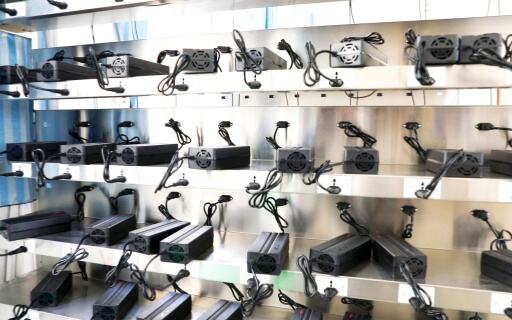
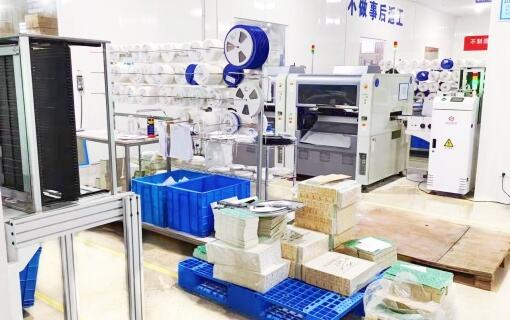
As a premier global supplier of lead-acid and lithium-ion battery chargers, we guarantee quality continuity through automated wave soldering, optical inspection (AOI), and continuous 100% full-load thermal burn-in protocols.
Standard chargers degrade rapidly due to voltage sag, brownouts, and localized heating. Our hardware features specialized industrial architecture designed for durability.
| Technical Challenge in CAR | Standard Charger Limitation | Hyper Charger Industrial Solution | Operational Benefit |
|---|---|---|---|
| Voltage Volatility & Surges (140V - 270V) | Over-voltage failures, burnt capacitors, transformer saturation. | Wide Input Range (90V-260V) with 6KV surge protection and active PFC. | Continuous operation during grid fluctuations without component damage. |
| Dust Ingress & High Humidity | Short-circuits caused by fine orange dust settling on PCBs. | Polyurethane thermal potting glue encapsulation (IP65 models). | Complete isolation of electronic components from ambient environment. |
| Extreme Ambient Temperatures (40°C+) | Thermal runaway, low efficiency, safety shut-down. | Anodized aluminum heat-sinks, intelligent cooling fans, and high-temp electrolytic caps. | Stabilized continuous power output without thermal-induced throttling. |
| Battery Longevity Concerns | Overcharging, electrolyte loss, battery swelling. | MCU-controlled 3-stage or 4-stage smart charging algorithms (CC, CV, Float). | Extends overall lead-acid and lithium battery lifecycle by up to 40%. |
Whether you represent a national energy agency in Bangui, a commercial fleet operator deploying electric delivery trikes, or a retail distributor scaling access to regional micro-mobility, we provide customized OEM and ODM solutions.
Our personalization options range from housing design modifications, ruggedization levels, specific charge profiles (e.g., Trojan profiles, custom LiFePO4 / Li-ion curves), to custom cable lengths and plug terminations (Anderson, XLR, IEC, and customized industrial copper pins).
We manage bulk shipping logistics to landlocked Central African Republic, routing safely through major ocean freight hubs and overland transit corridors (e.g., Douala to Bangui). Every batch undergoes strict compliance audits, ensuring seamless customs clearance with required import documentation.
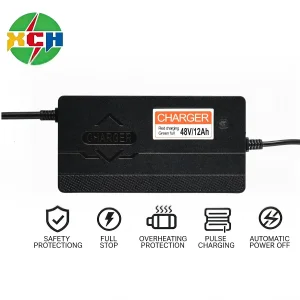
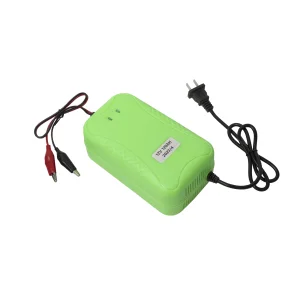
Explore our complete, field-tested charger portfolio. These units feature smart auto-shutoff safety protocols, dynamic reverse-polarity protection, and over-current prevention.
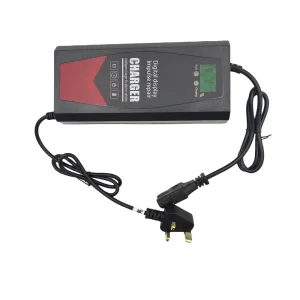
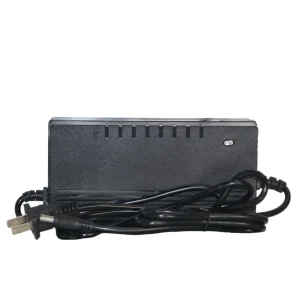
Maximizing battery service life requires more than raw power. Our engineers develop smart software architectures to optimize battery cycle life.
Standard chargers supply voltage and current continuously, causing overheating and gas accumulation inside battery cells. Guangdong Hyper Charger utilizes proprietary MCU firmware to apply dynamic multi-stage charging sequences.
For lead-acid chemistries (including AGM and Gel), our units execute a four-stage process: pre-charge conditioning, constant current bulk phase, constant voltage absorption phase, and trickle maintenance charge. This reduces sulfation and temperature stress, extending the lifespan of lead-acid blocks in warmer regions like the Central African Republic.
For lithium battery chemistries (LiFePO4 and Lithium-ion), our chargers employ precise Constant Current/Constant Voltage (CC/CV) curves with strict cut-off values. This prevents overvoltage stress on cells, maintaining pack health over prolonged cycles.
As off-grid solar mini-grids expand across the Central African Republic to counter utility constraints, the compatibility of commercial charging systems with solar inverters becomes essential.
Our newest design series features advanced electromagnetic interference (EMI) filtering and high power factor correction (PFC > 0.95). These specifications ensure compatibility with the modified sine-wave or square-wave AC outputs typical of decentralized solar inverters, preventing energy loss and equipment wear.
Looking forward, Guangdong Hyper Charger is integrating Gallium Nitride (GaN) semiconductor designs into our high-power lines, delivering up to 96% energy conversion efficiency while reducing unit footprints by 30%.
Looking for custom production runs matching specific national utility rules or fleet requirements?
Consult with our Engineering TeamA look inside Guangdong Hyper Charger's 20,000 square meter ISO9001 certified manufacturing plant.
To maintain zero-defect standards across export operations, each charger batch passes through three inspection checkpoints:
This systematic quality control allows our hardware to maintain failure rates below 0.2% over years of operational service in harsh tropical climates.
Landlocked infrastructure demands reliable logistics support. Guangdong Hyper Charger maintains long-term agreements with global shipping consortia to coordinate freight transit.
We manage standard consolidation (LCL) and full container loads (FCL) from ports in Shenzhen, Guangzhou, and Hong Kong. We arrange transit through regional shipping lanes, coordinating land transport connections from Atlantic ports (such as the Port of Douala, Cameroon) directly to Bangui.
All export packaging uses double-wall corrugated containers, high-density polyethylene internal cushions, and moisture-absorbing silica gel bags. This ensures shipments arrive intact and unaffected by long transit durations or extreme weather conditions.
Essential technical and commercial information for purchasing managers, importers, and fleet operations managers in Central African Republic.
Upgrade your electric mobility infrastructure with durable, grid-resilient charging solutions. Get in touch for custom design specifications, volume discounts, and shipping estimates.
Send Inquiry Now Hyper Charger