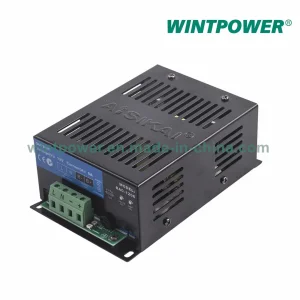
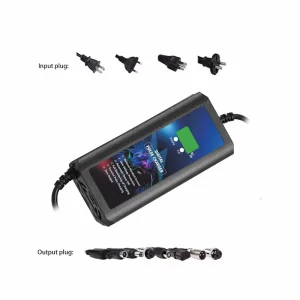
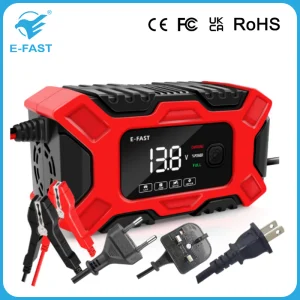
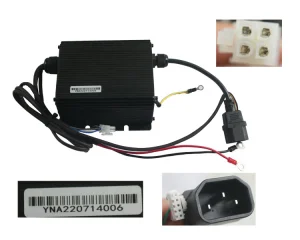
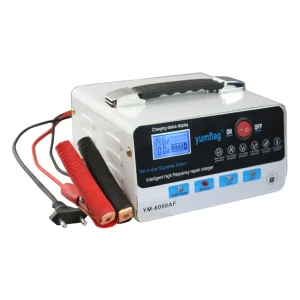
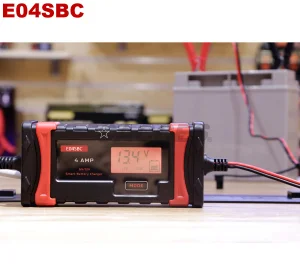
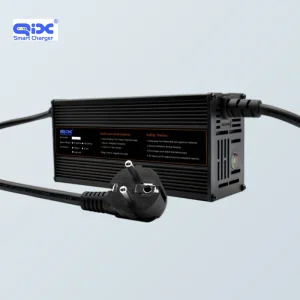
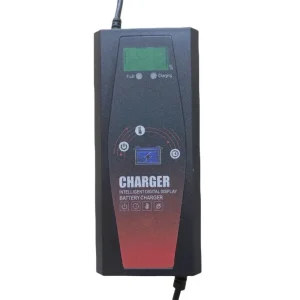
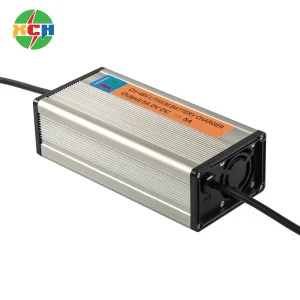
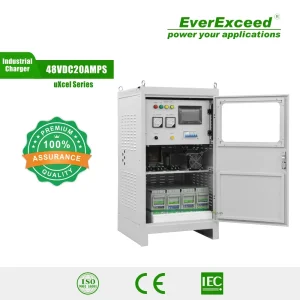
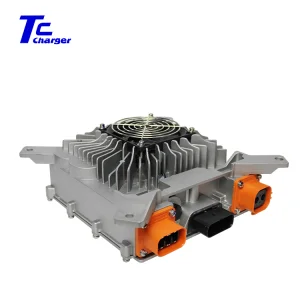
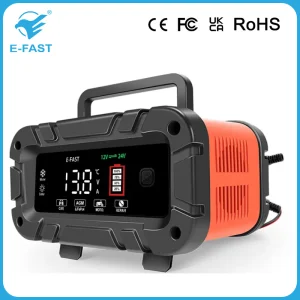
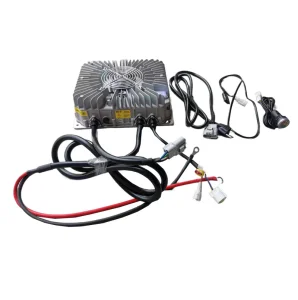
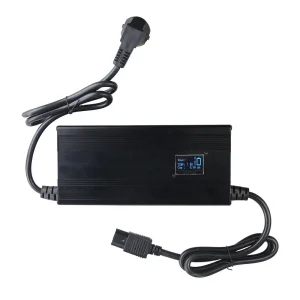
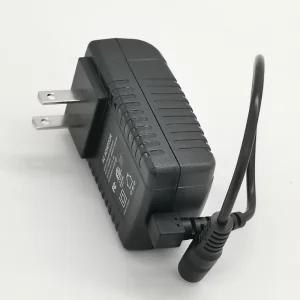
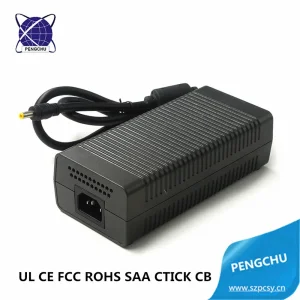
Our premium selection of smart battery maintainers, multi-chemistry chargers, and customizable modules engineered for extreme reliability.
Guangdong Hyper Charger Co., Ltd. is a leading professional manufacturer specializing in the advanced research, development, and high-efficiency production of industrial and marine battery chargers. With nearly 15 years of industry-leading experience, we have earned a highly distinguished reputation for supplying exceptionally reliable, safe, and intelligent power electronics globally.
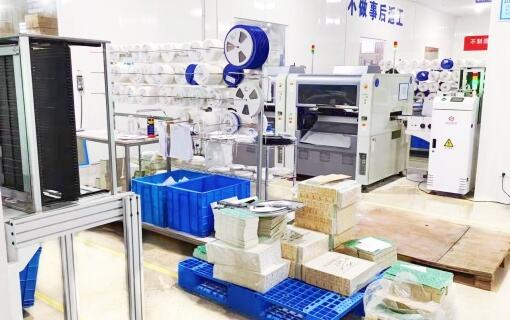
Operating a modernized manufacturing facility that extends across more than 20,000 square meters, our corporate capability is reinforced by a highly experienced R&D crew, expert power electronics engineers, and a rigorously trained technical workforce. We support and distribute a massive, diversified portfolio consisting of over 1,000 charger models, intentionally configured for specialized applications across demanding operational environments.
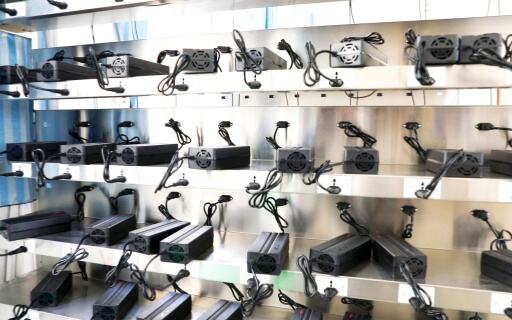
Our comprehensive engineering solutions cater to both traditional lead-acid batteries (including AGM, Gel, and flooded cells) and advanced lithium batteries (LiFePO4, LiNiCoAlO2). Our product architectures are widely integrated into marine crafts, marine auxiliary power, automotive applications, electric golf carts, heavy-duty forklifts, and complex agricultural machineries.
At Guangdong Hyper Charger Co., Ltd., product quality and operational safety constitute our core philosophy. We enforce a zero-fault quality control protocol. Every single charger module undergoes three rigorous independent testing phases during assembly, followed by 100% full-load burn-in aging tests before packing. This guarantees long-term thermal stability, high conversion efficiency, and continuous safety for end-users operating in critical marine sectors.
Understanding the manufacturing ecosystem that empowers high-durability power electronics production at competitive global scales.
Proximity to first-class component vendors in the Guangdong region allows us to acquire robust microcontrollers, high-density magnetic cores, and high-temp semiconductors at unparalleled speed and optimized costs.
Our production line is equipped with automated selective coating machinery applying thick acrylic or silicone conformal protections. This keeps circuits safe from salt-spray corrosion, condensation, and oxidation.
Marine environments impose harsh physical stress. We implement robust potting compounds and mechanical reinforcement rings around heavy inductors and high-capacity capacitors, passing tough transit and marine vibration protocols.
How modern technological breakthroughs are reshaping efficiency, safety, and system integration in global marine industries.
GaN technologies allow marine chargers to operate at higher switching frequencies with significantly reduced heat generation. This permits ultra-compact, fanless (IP67 sealed) chassis profiles crucial for tight, wet compartments on boats.
System networks on yachts and commercial vessels rely heavily on unified protocols. Modern marine chargers integrate CAN-bus (NMEA 2000 standard) or Modbus connectivity, providing telemetry on state of charge, temperature, and battery health to central control systems.
Modern vessels are hybrid setups, mixing AGM starter batteries with Lithium (LiFePO4) auxiliary banks. Modern chargers offer independent, programmable charging profiles per channel to charge different chemistries simultaneously without risk.
Generator outputs on offshore vessels can experience voltage sags and spikes. With active PFC systems, chargers can adapt to unstable inputs (from 90V to 264V AC), maximizing efficiency and protecting components.
High ambient heat in engine bays reduces charger lifespan. Intelligent de-rating ensures the device lowers output current as temperatures approach critical limits, keeping charging going without sudden shutdowns.
Ensuring reliable energy delivery across different maritime sectors and environmental profiles.
Heavy duty support vessels require continuous, multi-channel charging to keep communication, navigation, and bilge pumps active through constant operational exposure.
High capacity, quiet-running, fanless smart chargers with customized profiles for LiFePO4 batteries, maximizing storage room and onboard comfort.
Stationary marine charging systems built with heavy-duty corrosion proofing, high IP ratings, and surge protections to handle rough shore power grids.
A professional checklist for sourcing managers to assess factory reliability and ensure regulatory compliance.
Verify compliance with international standards like CE, UL, RoHS, FCC, and specific marine certifications (e.g. CCS, ABS) for safety clearance.
Confirm the factory's R&D ability to customize firmware profiles, connector types, and casing form-factors to match your requirements.
Ensure the manufacturer performs full load aging, vibration tests, and salinity chamber exposure tests to verify real-world durability.
Examine component tracking codes and verify warranty policies, ensuring long-term technical support and component availability.
Direct answers to the most common questions raised by marine engineers, procurement agencies, and distributors.
Marine chargers are designed to handle high humidity, salt fog, and continuous physical vibrations. They utilize fully sealed or conformal-coated PCBs (typically IP65 to IP67 rated) and corrosion-resistant hardware. They also offer smart, multi-stage charging algorithms optimized to handle independent starting and deep-cycle house batteries simultaneously.
We combine advanced automation (like automatic SMD placement and wave soldering) with strict inspection steps: automated optical inspection (AOI), functional circuit testing, and a comprehensive burn-in aging process under full load before packaging. This guarantees consistent assembly quality across large orders.
Yes. Through our ODM/OEM services, we can configure specific charge voltage, current limits, cut-off currents, and multi-stage timers (such as Bulk, Absorption, Float) to match your battery manufacturer's recommendations for LiFePO4, AGM, Gel, or Lead-Acid batteries.
Our entire lineup features multiple integrated protections: reverse polarity protection, output short-circuit protection, over-voltage limits, over-current regulations, and over-temperature safety shutdown with auto-recovery.
Explore our versatile solutions for electric mobility, material handling vehicles, and industrial operations.
 Hyper Charger