Understanding why marine batteries need a specific type of charger is crucial for boat owners. Marine batteries differ significantly from standard batteries. They require specialized charging to ensure longevity and optimal performance. Many boaters overlook this vital detail, leading to costly mistakes.
Marine batteries are designed for deep cycling. They face unique challenges in marine environments. This is why standard chargers can cause issues. Incorrect charging can lead to battery damage. It may also reduce the battery's overall lifespan. Using the right charger prevents these potential problems.
Beyond the technical aspects, there’s a lack of awareness among users. Many assume all chargers are the same. Ignoring this can lead to frustration and unexpected failure. Knowing the specifics fosters better maintenance. Trusting expert advice helps in making informed decisions. Ultimately, understanding why marine batteries need a specific type of charger leads to better care and performance.
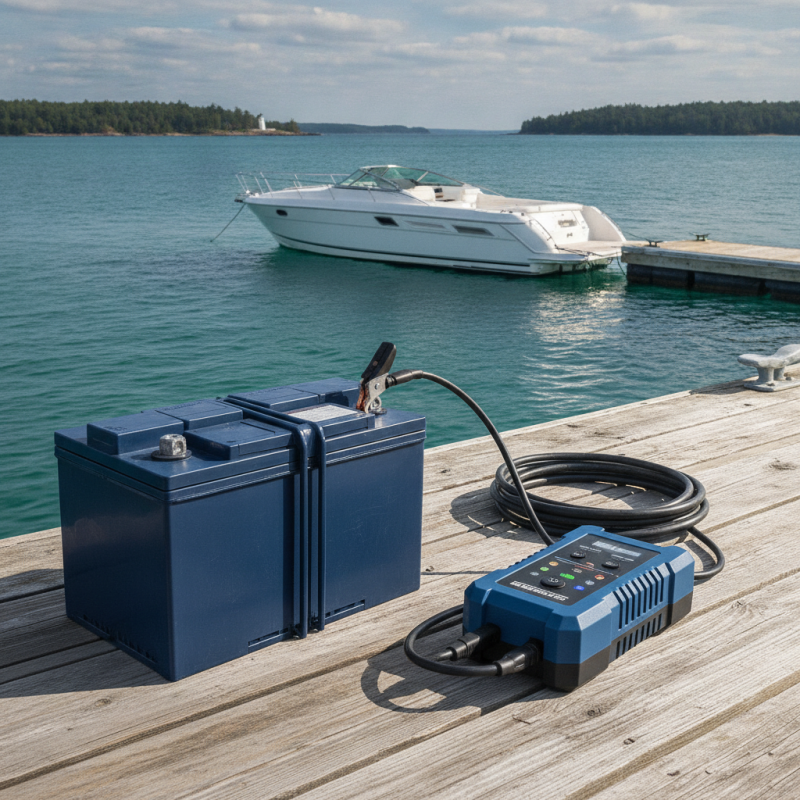
Marine batteries play a crucial role in powering boats, ensuring smooth operation of navigation and communication systems. Understanding the specific charging requirements of these batteries is vital. Unlike standard automotive batteries, marine batteries are designed for deep cycling. They endure repeated discharges and recharges, making their charging needs unique.
Using the correct charger is essential for the longevity of marine batteries. A standard charger may not adequately meet their needs. For example, they often require a three-stage charger that handles bulk, absorption, and float charging phases. This process prevents overcharging and enhances battery capacity. Some users overlook the risk of using inappropriate chargers, leading to diminished battery life over time.
The differences in battery chemistry further complicate matters. Lead-acid, gel, and lithium batteries all behave differently. Misunderstanding these nuances can result in poor charging practices. This uncertainty can cause frustration among boat owners, affecting performance during critical times. It's important to routinely check charging systems and educate oneself on these essential aspects of marine battery care.
Marine batteries are essential for powering boats, yet they vary widely in type and charging requirements. Common types include lead-acid, lithium-ion, and AGM batteries. Each has unique chemistry, influencing how they should be charged. For instance, lead-acid batteries are sensitive to voltage levels. Using the wrong charger can lead to overheating or reduced lifespan. Lithium-ion batteries, while more efficient, require specific chargers to maintain their health.
Understanding each type's needs can prevent costly mistakes. AGM batteries are sealed, yet they need a charger designed for absorbed glass mat technology. Using a standard charger might not fully charge them, leading to underperformance. Awareness of these differences is critical for boat owners. Charging with an inappropriate charger can also void the warranty of these batteries.
While it may seem daunting, knowing your battery can prevent mishaps. Misunderstandings about charging practices are common. Many boaters neglect to check specifications before purchasing chargers. This oversight can lead to frustration and unnecessary expenses down the line. Stay informed, and ensure your marine battery receives the care it deserves.
Using the correct charger for marine batteries is crucial. Marine batteries have specific charging needs. Using a non-compatible charger can lead to poor performance or damage. Each battery type, such as lead-acid or lithium, has different voltage and charging protocols. Ignoring these details can result in shortened battery life.
Consider this tip: always check the voltage and amp ratings on your charger. If they don’t match your battery, you risk overcharging or undercharging. Both scenarios can harm your battery’s capacity. It’s a simple step that saves costs in the long run.
Another important aspect is the charger’s mode of operation. Some chargers have special settings for marine batteries. These settings help optimize charging cycles. For instance, a trickle charge can keep a battery topped off without overloading. Always consult your battery manual; it often contains valuable insights tailored to your specific battery type.
Being aware of these details fosters better battery maintenance. A compatible charger enhances performance and longevity. Reflect on your charging habits and make adjustments as needed. Small changes can lead to significant improvements in reliability and efficiency.
Marine batteries are designed to withstand harsh conditions. However, using the wrong charger can hinder their performance. Each type of marine battery, whether it's AGM, gel, or flooded, has its specific charging needs. A mismatch in charger specifications can lead to inefficient charging and even battery damage.
Charger specifications play a crucial role in battery lifespan. For example, using a charger with excessive voltage can cause overcharging. This can lead to thermal runaway and permanent damage. On the flip side, undercharging can result in sulfation, which reduces capacity. Knowing the appropriate voltage, amperage, and type of charger is essential for maintaining health.
Reflecting on the learning curve, many boat owners overlook these details. They assume one charger fits all. This misconception can be costly. Without careful consideration of charger specifications, the battery life may decrease significantly. Investing time in understanding these requirements proves worthwhile in the long run.
| Charger Type | Voltage Output (V) | Current Output (A) | Battery Compatibility | Recommended Use Case | Average Lifespan Impact |
|---|---|---|---|---|---|
| Smart Charger | 12/24 | 5-10 | AGM, Gel, Flooded | All-purpose | Extended Lifespan |
| Trickle Charger | 12 | 1-2 | Flooded, AGM | Maintenance | Normal Lifespan |
| Rapid Charger | 12/24 | 10-30 | Lithium, AGM | Quick recharging | Reduced Lifespan |
| Solar Charger | 12/24 | 1-10 | All types | Off-grid | Extended Lifespan |
Charging marine batteries often raises misconceptions. Many boat owners believe any charger will suffice. However, this is not the case. Marine batteries are unique due to their construction and purpose. They typically have different charging needs than standard car batteries.
Choosing the right charger is essential. Marine batteries are designed for deep cycling and require a charger that can handle specific voltage levels. Using a standard charger may overcharge or undercharge the battery, leading to premature failure. Understanding these distinctions is crucial for battery longevity.
Tips: Always check the battery specifications before purchasing a charger. If unsure, consult a marine technician. Regularly inspect battery connections to avoid corrosion, which can impact performance. Taking these precautions can make a significant difference in battery life.
: Marine batteries are designed for deep cycling, allowing repeated discharges and recharges.
A proper charger ensures battery longevity and meets specific charging needs.
They often need a three-stage charger for bulk, absorption, and float charging phases.
Using the wrong charger can lead to diminished battery life and performance issues.
Lead-acid, gel, and lithium batteries each have unique charging requirements and behaviors.
Always check the battery specifications to ensure compatibility with the charger.
Regularly inspect battery connections to avoid corrosion that impacts performance.
Many believe that any charger can be used for marine batteries, which is incorrect.
Consult a marine technician for guidance on the right charger and practices.
It helps educate boat owners and maintain proper marine battery care and performance.
Marine batteries are specially designed to withstand the unique demands of marine environments, which is why it's crucial to ask, "Why do marine batteries need a specific type of charger?" Understanding the various types of marine batteries, including flooded lead-acid, AGM, and gel batteries, is essential since each type has its own charging requirements that affect performance and longevity.
Using a compatible charger ensures that the battery is charged correctly without risk of damage. Incompatible chargers can lead to problems such as overcharging or insufficient charging, which not only shortens battery lifespan but can also compromise performance. Additionally, there are several misconceptions about charging marine batteries, emphasizing the need for education on proper charging practices to maintain battery health and to ensure safe and efficient operation on the water.

Hyper Charger