In the world of lithium batteries, understanding the signs of overcharging is crucial for safety. Dr. Emily Carter, a leading expert in battery technology, states, "Overcharged lithium batteries can lead to serious risks, including fires and explosions." When exploring the question, "What are the signs of an overcharged lithium battery?" we must look closely at several key indicators.
An overcharged lithium battery often shows noticeable signs such as swelling, increased heat, and leakage. Swelling occurs due to excessive gas buildup inside the battery casing. Users may notice that their devices become unusually warm during charging. This heat is a red flag that should not be ignored. Additionally, if there are any signs of leakage, it is essential to dispose of the battery safely.
Furthermore, keep an eye on performance. An overcharged battery may exhibit shortened lifespan and reduced efficiency. While batteries degrade naturally over time, excessive charging can accelerate this process. It's a reminder to maintain proper charging habits to avoid these issues. Awareness of these warning signs is vital. It can prevent potential hazards and promote safer usage of lithium batteries in our everyday devices.
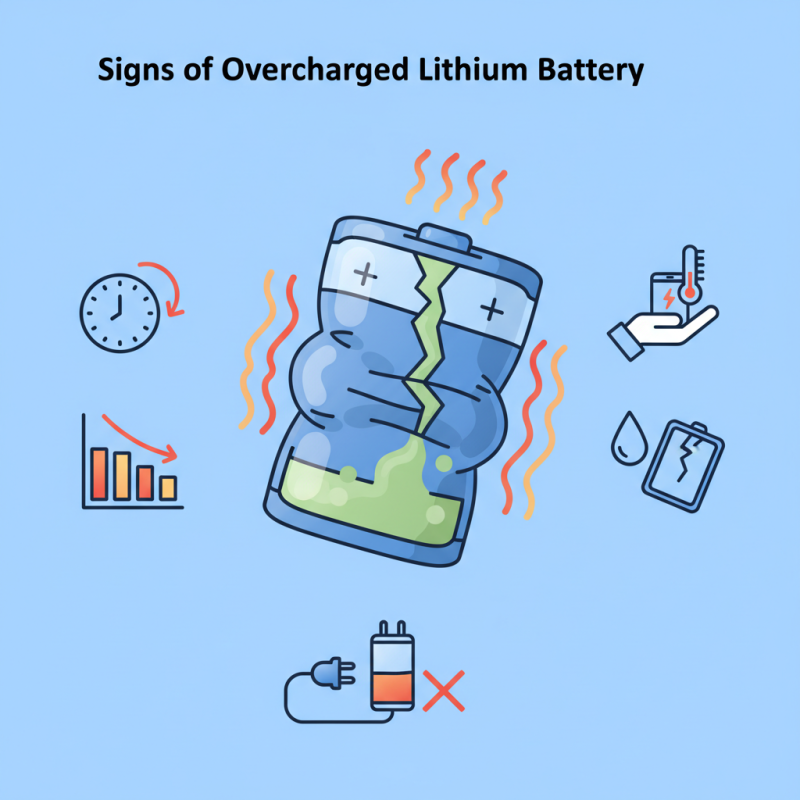
Overcharging lithium batteries can lead to serious safety hazards. Identifying signs of overcharging early is crucial. One of the most noticeable signs is excessive heat. When a battery operates at temperatures above 60°C, it's often a warning. Regularly monitor the battery’s temperature while in use and charging.
Another clear indicator is puffing or swelling of the battery casing. Data shows that nearly 20% of lithium battery failures relate to physical deformation. If you observe any bulging, it's essential to disconnect the battery immediately. Additionally, an unusual odor may be emitted. This smell can signal chemical reactions that are potentially hazardous.
Finally, check for any unusual performance issues. If your device operates erratically or the battery life suddenly drops, overcharging might be the cause. It’s important to remain vigilant and observe any changes in performance. Regular inspection can help prevent accidents due to overcharging. Take these signs seriously, as ignoring them can lead to dangerous situations. Stay informed and prioritize safety when dealing with lithium batteries.
Lithium batteries have revolutionized energy storage, powering everything from smartphones to electric vehicles. Understanding their chemistry is crucial for identifying potential hazards. Lithium ions move between the anode and cathode during charging and discharging. This movement is sensitive to temperature and voltage fluctuations. When a battery is overcharged, it can lead to excessive heat and gas buildup, increasing pressure inside the cell.
Data from the Battery University indicates that a fully charged lithium-ion battery can exceed 4.2 volts. Anything above this can destabilize the battery's internal structure. In fact, an overcharged battery can reach temperatures of up to 80°C, resulting in thermal runaway. This often results in battery swelling and, in severe cases, fire or explosion. It's essential to monitor voltage closely and use proper charging equipment to avoid such risks.
Real-world examples show that overcharging is a common issue, often overlooked by users. A report by the National Renewable Energy Laboratory highlights that 25% of battery fires stem from improper charging practices. It's alarming yet enlightening to note that many consumers remain unaware of these dangers. Education and awareness are key in minimizing risks associated with lithium battery usage.
| Sign | Description | Potential Risks | Preventive Measures |
|---|---|---|---|
| Swelling | Physical deformation of the battery casing due to gas buildup. | Risk of rupture leading to leakage or explosion. | Use a smart charger that automatically stops charging. |
| Increased Heat | Battery gets excessively warm during charging. | May lead to thermal runaway and possible fire hazard. | Monitor temperature; stop charging if overheated. |
| Unusual Smell | Chemical odors indicating possible leakage or venting. | Toxic fumes can pose health risks. | Charge in a well-ventilated area; evacuate if smell detected. |
| Reduced Capacity | Battery holds less charge over time, requiring more frequent recharges. | Shorter usage time can impact device performance. | Avoid leaving devices on charger once fully charged. |
| Leakage | Signs of fluid leaking from the battery casing. | Corrosive substances can damage electronics and pose health risks. | Dispose of damaged batteries properly; avoid physical contact. |
Identifying signs of an overcharged lithium battery is crucial for safety. Overcharging can lead to serious risks. The most common symptoms of an overcharged battery include swelling, excessive heat, and unusual sounds. These indicators should not be overlooked.
A swollen battery is often the first visible sign. According to industry reports, batteries can swell due to increased internal pressure. This pressure builds from chemical reactions during overcharging. In some cases, users may not notice this change until it becomes severe. Similarly, excessive heat can be dangerous. A properly functioning battery should remain cool during use and charging.
Unusual sounds, such as hissing or popping, are also red flags. These sounds may indicate gas buildup inside the battery. This buildup can lead to leaks or ruptures. Data from battery safety studies shows that overcharged batteries can fail rapidly under these conditions. Awareness of these symptoms can help prevent incidents. Monitoring battery performance regularly is crucial for maintaining safety and reliability.
Overcharging a lithium battery poses serious risks. It affects the battery’s performance. When a lithium battery is overcharged, it can overheat. This heat may lead to swelling or even rupture. Eventually, it can impact the battery lifespan. Reduced capacity is another common issue. Users may notice a decline in how long their devices last on a single charge.
To avoid these problems, regular monitoring is vital. Pay attention to changes in temperature. A warm or hot battery indicates potential overcharging. If the battery feels unusually warm, it’s time to check your charging habits. Always use the recommended charger. Overcharging can result in a dangerous cycle of diminishing performance and safety hazards.
Consider implementing these simple tips.
Staying informed can help you maintain battery health and ensure safety.
Preventing overcharging in lithium batteries is crucial for safety and longevity. One effective measure is to use smart chargers. These chargers automatically stop the charging process when the battery reaches full capacity. This helps prevent excessive voltage from damaging the battery cells. Many devices come equipped with such technology now. However, not all are created equal, so reviewing specifications is important.
Another practical tip is to regularly monitor battery temperature. High temperatures often indicate overcharging. You should always be vigilant about the environment in which the battery operates. Avoid exposing batteries to direct sunlight or extreme heat. This simple practice can extend battery life significantly. Additionally, it’s wise to charge batteries on a flat surface that dissipates heat well.
Keeping track of charging cycles is also essential. Each cycle slightly degrades battery health. Waiting until the battery is low before charging can help maintain its efficiency. However, it’s essential to avoid letting it drop to critically low levels often. Finding the right balance is key. Even small adjustments in your charging habits can lead to better performance over time.
: Lithium ions move between the anode and cathode. This process is sensitive to temperature and voltage changes.
Overcharging can cause excessive heat, leading to thermal runaway. This may result in battery swelling or even fire.
Look for signs like swelling, excessive heat, or unusual sounds. These symptoms are serious and require attention.
A fully charged lithium-ion battery can exceed 4.2 volts. Any higher can destabilize its internal structure.
Reports indicate that 25% of battery fires result from improper charging. Awareness of this issue is crucial for safety.
Regular monitoring helps identify issues early. Awareness can prevent dangerous incidents, ensuring user safety.
Stop using the battery immediately. A swollen battery signals increased internal pressure, which can lead to dangerous outcomes.
Yes, temperature fluctuations can increase risks. High temperatures often signal potential failure in lithium batteries.
Hissing or popping noises are potential signs of gas buildup. These sounds indicate serious battery issues that need immediate attention.
Thermal runaway is when a battery overheats uncontrollably. It can lead to severe consequences like fire or explosion.
An overcharged lithium battery can exhibit several signs that indicate potential issues. What are the signs of an overcharged lithium battery? Common symptoms include excessive heat during charging, swelling or bulging of the battery casing, and a significant reduction in battery life or performance. Understanding the chemistry of lithium batteries reveals that overcharging disrupts their delicate balance, leading to dangerous conditions such as thermal runaway.
The effects of overcharging on battery performance can be detrimental, causing not only reduced efficiency but also posing safety hazards. To avoid these problems, it is crucial to implement preventive measures such as using compatible chargers, monitoring charge cycles, and adhering to manufacturer guidelines. By recognizing the signs of an overcharged lithium battery early and taking action, users can ensure safety and maintain optimal battery performance.

Hyper Charger